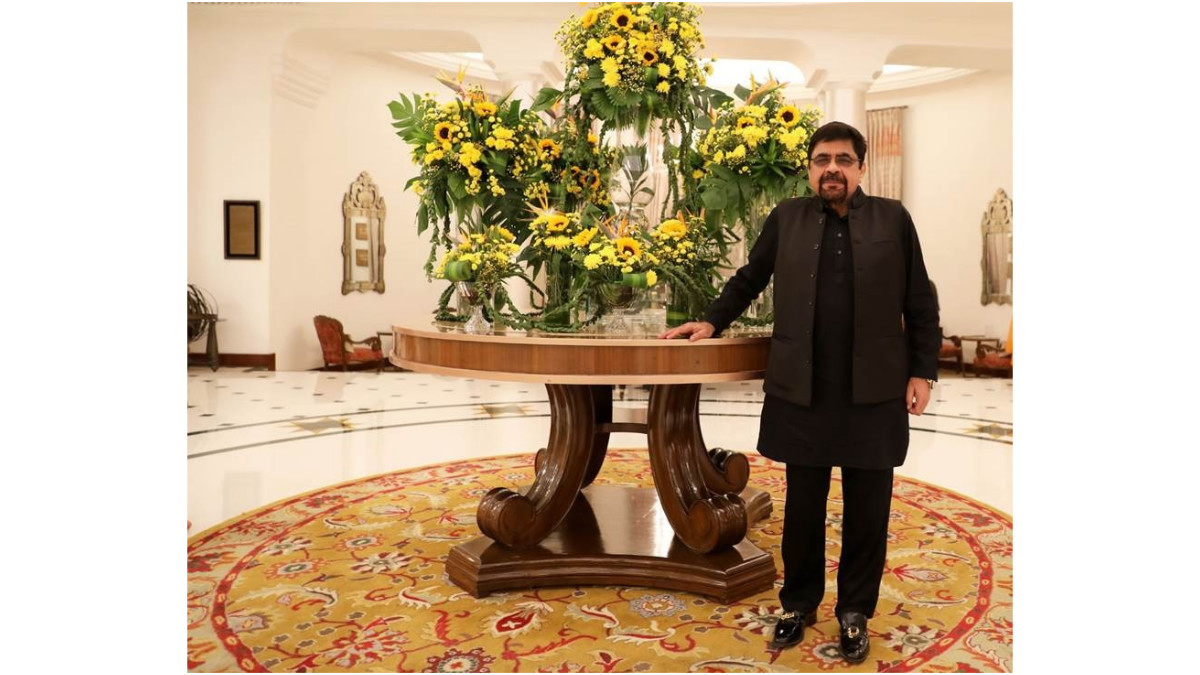


Vijay Gupta, Founder, Chairman and CEO, SoftTech Engineers Limited
Pune (Maharashtra) [India], January 26: In the ever-evolving landscape of construction and urban development, the fusion of innovative technologies and sustainable practices has become imperative. One such paradigm shift comes from the synergy of Building Information Modeling (BIM) and Development Control (DC) guidelines, creating a transformative approach to green building plan scrutiny. This article explores the profound implications of this intersection, focusing on the potential for sustainable construction practices without explicitly mentioning specific product names.
BIM: A Catalyst for Sustainable Construction
At the heart of this transformation is the adoption of Building Information Modeling (BIM), a model-based design concept that enables the virtual construction of buildings before any physical work commences. The core principle lies in organizing data models that integrate all relevant factors across the building lifecycle. This not only fosters seamless collaboration among architects, engineers, and contractors but also establishes a single source of truth for information exchange.
Advantages of BIM in Green Building Plan Scrutiny
Holistic 3D Model Scrutiny:
BIM facilitates a holistic 3D model scrutiny, offering a comprehensive view of building proposals. The integration of all building services within a single model ensures consistency across various departments, reducing the risk of deviations in approved plans.
Real-time Deviation Identification:
All clashes and deviations are automatically highlighted on the same model, allowing for real-time identification and correction. This not only expedites the approval process but also aids in unauthorized construction control at different stages of a project.
Lifecycle Data Utilization:
BIM enables the utilization of building lifecycle data for approvals at various stages, such as Concept Clearance (CC), Project Clearance (PC), and Occupation Clearance (OC). This ensures a seamless flow of information from design to execution.
Enhanced Visualization for Green Building Code Compliance:
The 3D visualization capabilities of BIM provide stakeholders with a realistic representation of the proposed structure within the context of the surrounding environment. This is particularly crucial for ensuring compliance with Green Building Codes, as it requires detailed information on materials used and building orientation parameters.
DC Guidelines and Automation in Scrutiny
To further enhance the sustainability focus, integrating DC guidelines into the scrutiny process becomes crucial. Automation becomes a key ally in this endeavor, offering several advantages:
Auto Scrutiny with Regional Language Support:
An automatic building plan approval system, aligned with DC rules and regulations, ensures a streamlined scrutiny process. The incorporation of regional language support in reports and documentation promotes effective communication.
Dynamic Reports and Alerts:
Customized reports, including plot area reports and MIS reports, contribute to dynamic decision-making. Automated workflows, coupled with email or SMS-based alerts and notifications, enhance the efficiency of the approval process.
Flexibility of Customization:
The flexibility to customize the system based on the specifications of different corporations ensures adaptability to diverse regulatory frameworks. This fosters a collaborative approach between regulatory bodies and the construction industry.
The convergence of BIM with Development Control guidelines marks a transformative moment in sustainable construction practices. As cities strive for smarter and greener infrastructure, thought leadership in the industry must emphasize the integration of innovative technologies and sustainable principles. By fostering collaboration, adopting automation, and prioritizing holistic scrutiny approaches, the construction sector can contribute significantly to a sustainable and environmentally conscious future.
Authored by Vijay Gupta Founder Chairman and CEO, SoftTech Engineers Limited
If you have any objection to this press release content, kindly contact pr.error.rectification@gmail.com to notify us. We will respond and rectify the situation in the next 24 hours.


 Vijay Singh