 Vijay Singh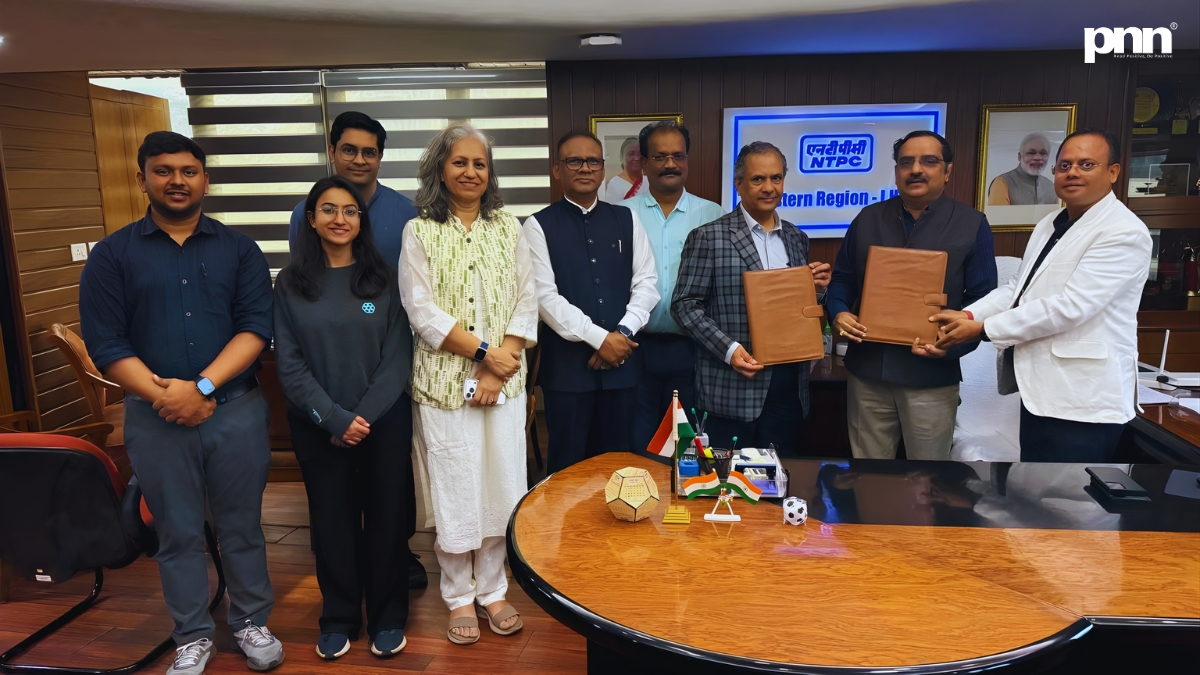
New Delhi [India], January 3: Big public-sector muscle just met a real public need. NTPC has committed serious capital to strengthen cancer care, and this time, the impact is measurable, immediate, and human.
NTPC Limited’s Western Region–I headquarters in Mumbai has signed a Memorandum of Agreement with the Gujarat Cancer & Research Institute for the upgradation of radiotherapy services. The partnership is not symbolic. It comes with a ₹23.16 crore commitment under NTPC’s CSR programme, aimed squarely at improving cancer treatment access in Gujarat.
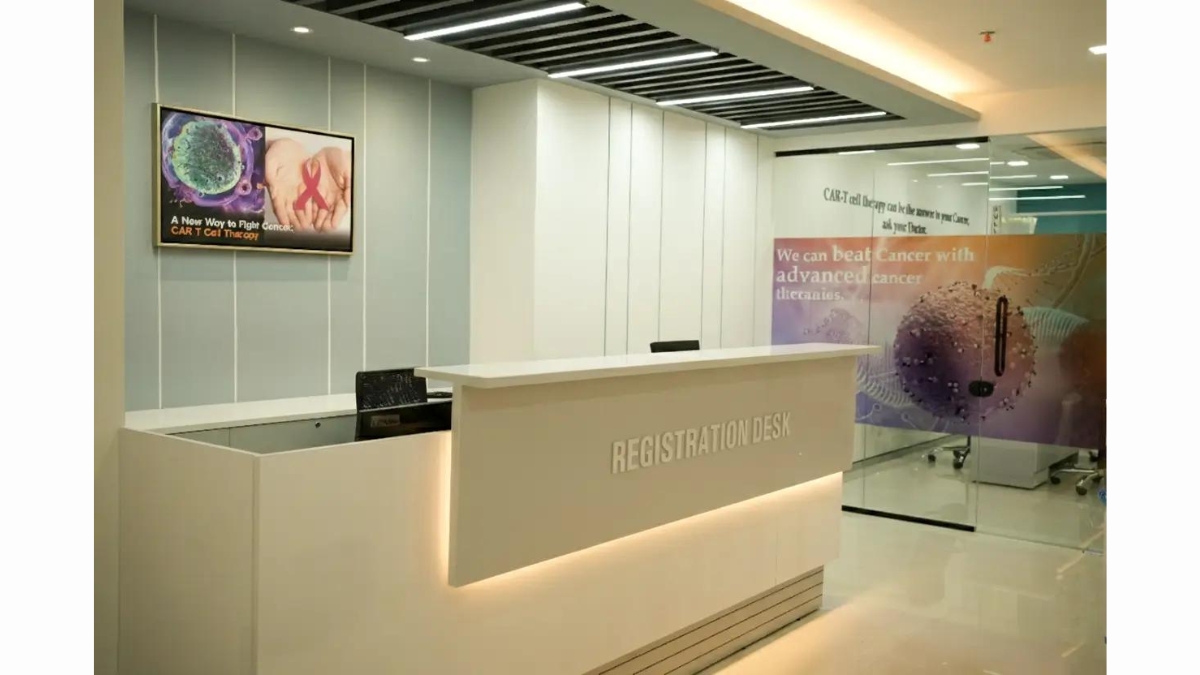
The funding will be used at GCRI’s Siddhpur Satellite Centre in Ahmedabad. The focus is clear: procurement and installation of a high-energy Linear Accelerator, commonly known as a LINAC. For cancer patients, that machine is not just equipment. It’s precision, speed, and better outcomes.
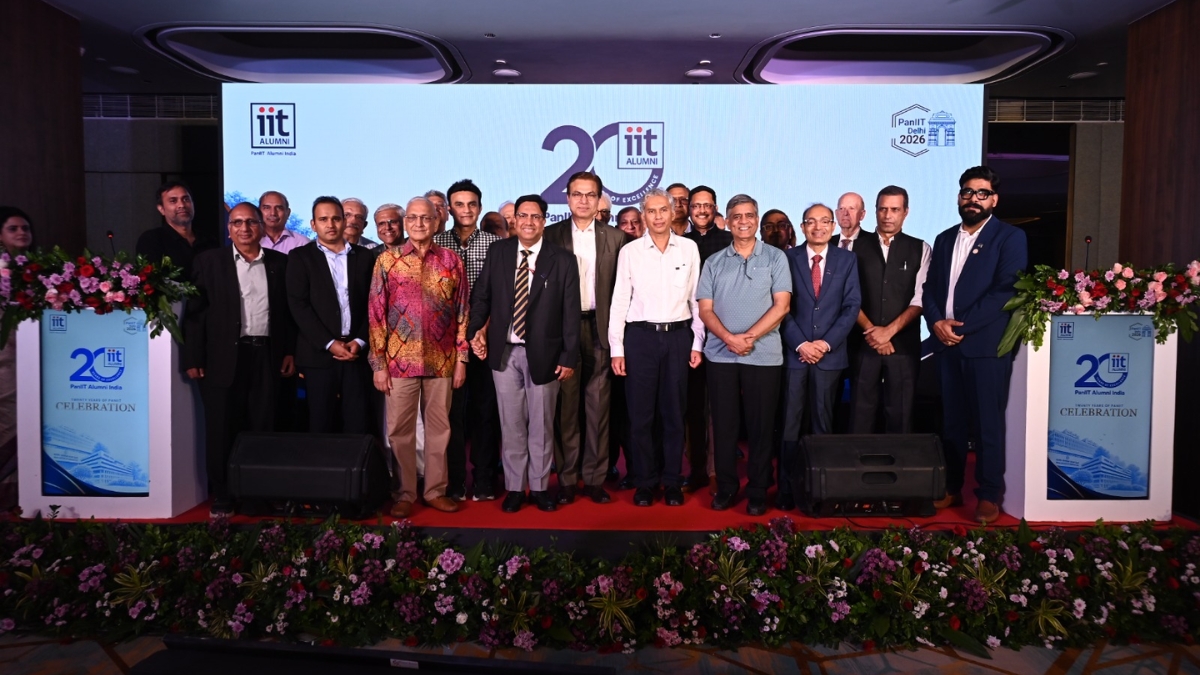
The MoA was formally exchanged between Dr. Shashank Pandya, Director of GCRI, and Shri E. Satya Phani Kumar, Regional Executive Director (West–I), NTPC. Senior leadership from both organisations attended the ceremony, underscoring that this was not a routine CSR cheque handover. It was a strategic healthcare intervention.
Why does this matter, especially in India?
Cancer care in India often struggles at the intersection of demand, affordability, and infrastructure. Radiotherapy is one of the most critical components of cancer treatment, yet access to advanced machines remains uneven outside major metros.
The NTPC radiotherapy services upgradation directly addresses that gap. By funding a high-energy LINAC at a satellite centre, NTPC is decentralising advanced care. Patients who earlier had to travel long distances now get access closer to home. That saves time, money, and in many cases, lives.
For Gujarat, where GCRI already serves as a major oncology hub, this upgrade strengthens an existing backbone rather than creating a parallel system. That’s smart CSR. Build where trust and expertise already exist.
What the LINAC brings to the table?
A high-energy Linear Accelerator allows for precise targeting of tumours while sparing surrounding healthy tissue. That means fewer side effects, better tolerance, and improved treatment efficiency.
In practical terms, this upgrade increases patient throughput and expands the range of cancers that can be treated effectively. It also reduces treatment waiting times, a chronic issue in public and semi-public healthcare facilities.
The NTPC radiotherapy services upgradation is not about optics. It’s about capacity. More patients treated. Better technology deployed. Stronger outcomes delivered.
Leadership presence signals intent
The signing ceremony was attended by senior NTPC officials, including Shri Akhaya Kumar Patra, GM (OS), Shri A P Samal, CEO (NPUNL) and CGM (Nuclear), and Smt. Vandana Chaturvedi, Regional Head of HR (West–I). Members of NTPC’s CSR team were also present, alongside senior representatives from GCRI.
This level of leadership participation matters. It signals internal alignment and long-term commitment, not a one-off CSR headline.
NTPC’s evolving CSR playbook
NTPC has steadily moved beyond generic CSR initiatives. Its recent focus shows a tilt towards strengthening critical infrastructure, especially in healthcare, education, and community development.
The NTPC radiotherapy services upgradation fits squarely into that approach. It targets a high-impact area, deploys capital-intensive technology, and partners with a credible public healthcare institution.
From a policy perspective, this aligns with India’s broader push to improve non-communicable disease management. From a citizen’s perspective, it means better access to treatment that would otherwise remain out of reach.
CSR that actually scales
One of the quiet strengths of this initiative is scalability. Radiotherapy infrastructure upgrades create ripple effects. Trained staff, improved protocols, and upgraded facilities elevate overall care standards.
By investing in a satellite centre, NTPC ensures that benefits are not confined to a single urban pocket. This decentralised approach is exactly what Indian healthcare needs more of.
There is also a multiplier effect. Improved infrastructure attracts better talent, encourages further investment, and builds confidence among patients who might otherwise delay treatment.