 Vijay Singh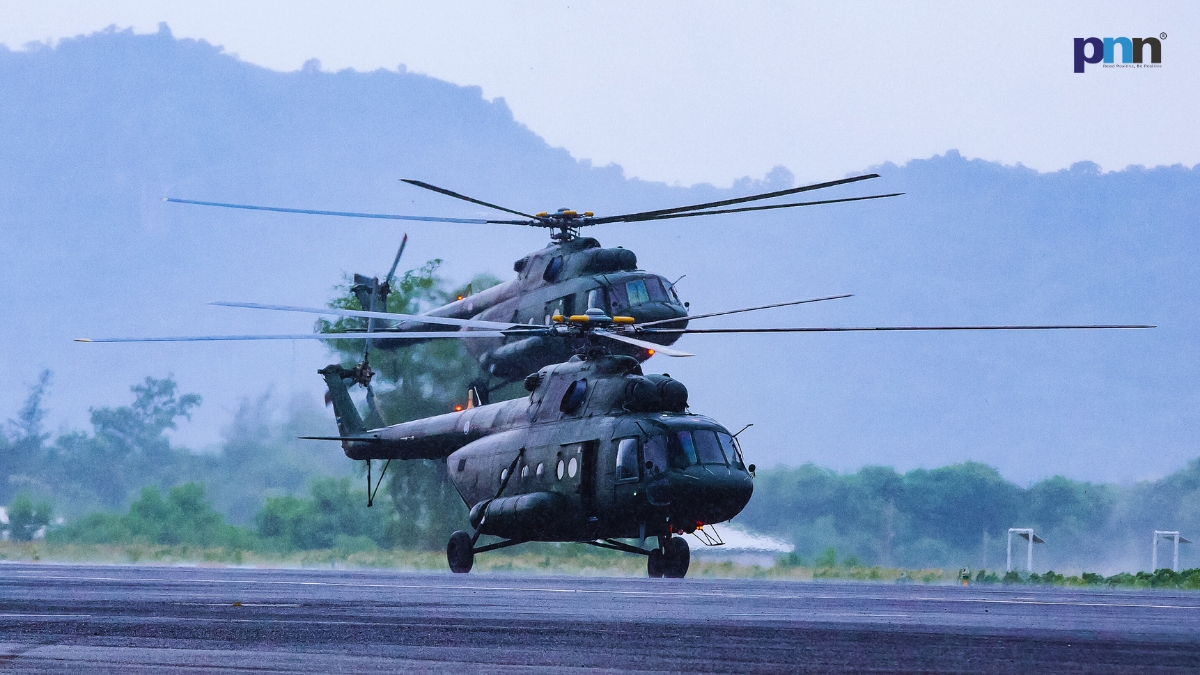
New Delhi [India], November 20: India’s defence atmanirbharta isn’t a slogan anymore; it’s a scoreboard. And the numbers this year punch harder than ever.
India’s push for defence atmanirbharta has shifted from intent to impact. The country posted its highest-ever defence production of ₹1.54 lakh crore in FY 2024-25. That’s not just a milestone. It’s a loud, confident announcement that India is no longer content playing catch-up in global defence manufacturing.
The backbone of this shift is indigenous production, which hit ₹1,27,434 crore in FY 2023-24. Compare that to ₹46,429 crore in 2014-15, and the leap becomes staggering. A 174 per cent surge in a decade. Call it a turnaround or a transformation, but one thing’s clear: Atmanirbharta is no longer a policy pitch; it’s a movement.
The New Defence Economy
What’s powering this rise? A defence budget that has grown from ₹2.53 lakh crore in 2013-14 to ₹6.81 lakh crore in 2025-26. That kind of commitment isn’t pocket change. A structural investment.
Public sector undertakings still anchor most production with a 77 per cent share, but the real story is the private sector’s growing confidence. From 21 per cent in FY 2023-24 to 2 per cent in FY 2024-25, the trajectory is unmistakable. India now exports to over 100 countries. When the United States, France, and Armenia appear on your client list, you know you’re not the junior in the room anymore.
Exports alone climbed to ₹23,622 crore in FY 2024-25, up 12 per cent from the previous year. The government’s target is ₹50,000 crore by 2029. If current momentum holds, that isn’t ambition. It’sa projection.
What Held India Back Before
Before these reforms, India’s defence sector felt like a test match stuck in the first session. Slow procurement. Heavy import dependence. The private sector was sitting on the bench because access to technology was limited and policies were restrictive.
Exports were tiny, ₹686 crore in FY 2013-14. That’s smaller than the annual budget of many mid-sized global firms. India was basically a buyer, not a seller.
The draft Defence Production & Export Promotion Policy (DPEPP) flipped the script. It built a holistic roadmap, R&D incentives, innovation rewards, academia linkages, MSME support, and export intent all stitched together. Suddenly, the sector had clarity and velocity.
The Engine of Reform
The reforms powering this transformation rest on three core pillars: faster procurement, indigenous push, and expanded exports.
The Defence Acquisition Procedures (DAP) streamlined approvals. The Positive Indigenisation Lists forced the industry to build, not buy. FDI norms opened the gates. And the ₹1 lakh crore RDI Scheme created a playground where DPSUs, private firms, MSMEs, and startups can co-build the next generation of defence tech.
India even declared 2025 as the Year of Reforms, and for once, the hype matched the outcome.
DAP 2020 and DPM 2025: A One-Two Punch
DAP 2020 was the first big swing. It gave priority to Indian-IDDM products, embedded transparency, embraced digital procurement, and brought AI, robotics, cyber, and space tech into the defence conversation.
DPM 2025 followed up with a clean, business-friendly manual for revenue procurement. Effective from November 2025, it standardised processes, reduced liquidated damages for indigenous projects, removed outdated NOCs, and integrated digital workflows across procurement cycles.
Together, DAP 2020 and DPM 2025 form a unified procurement architecture that’s modern, fast, predictable, and innovation-driven. Think of it as the Indian defence sector finally switching to a T20 mindset, quick decisions, aggressive play, and no dead overs.
Manufacturing Power-Up
India’s defence production is entering its high-growth phase. FY 2024-25’s record ₹1.54 lakh crore production isn’t an end; it’s a beginning.
The Defence Industrial Corridors in Uttar Pradesh and Tamil Nadu are now major investment magnets. With over ₹9,145 crore invested and 289 MoUs unlocking over ₹66,000 crore in opportunities, these clusters are becoming the factories of India’s future arsenal.
DRDO, meanwhile, has doubled down on innovation. With a new ₹500 crore deep-tech fund, 15 Defence Industry-Academia centres, and a sharper focus on IP creation, India is finally building a defence ecosystem that’s more Silicon Valley and less old-school bureaucracy.
And then there’s the private sector. Once sidelined, now essential. From drones to avionics and smart electronics, companies across India, from major conglomerates to garage-born startups, are stepping into the game. Around 16,000 MSMEs have already become indispensable cogs in this machine. They’re not just suppliers. They’re the spark plugs.
Investment Boom
With 788 industrial licences issued to 462 companies, the investment pipeline is loaded. The fully digital portal for defence export authorisations processed 1,762 approvals in FY 2024-25, marking 17.4 per cent growth in exporters.
The Ministry of Defence also signed a record 193 contracts worth ₹2,09,050 crore in 2024-25. Notably, 177 of those, ₹1,68,922 crore worth, went to Indian firms. That’s how you build self-reliance by buying from India first.
Acquisition That Builds Capability
India is finally acquiring at the pace of its ambitions. The DAC’s decisions in 2025 alone cleared over ₹3 lakh crore worth of indigenous acquisitions, from AEW&C systems to MALE RPAs, from torpedoes to mountain radars.
Every approval strengthens three things at once: the Indian military, the Indian manufacturer, and India’s strategic autonomy.
Exporting Strength, Not Just Products
This is where the defence atmanirbharta story really flexes. Exports hit ₹23,622 crore in FY 2024-25. DPSUs jumped their export figures by over 42 per cent. The private sector stayed strong with ₹15,233 crore.
India’s export basket today includes bulletproof jackets, interceptor boats, torpedoes, helicopters, radars, spares, ammunition, and sub-systems. These are going to around 80 countries. That’s not just business. It’s diplomacy with gear.
Export reforms, OGEL, digital authorisation, simplified SOPs, have sliced red tape, making exporting as close to plug-and-play as defence can get.
The Road Ahead
India wants ₹3 lakh crore in defence production and ₹50,000 crore in exports by 2029. Looking at the current momentum, you’d bet on those targets comfortably.
The combination of reforms, confidence, money, and ambition has created a defence ecosystem that refuses to go back to the old normal. Atmanirbharta isn’t just reshaping Indian defence. It’s reshaping India’s global posture.
The story isn’t about catching up anymore. It’s about taking the lead.