 Vijay Singh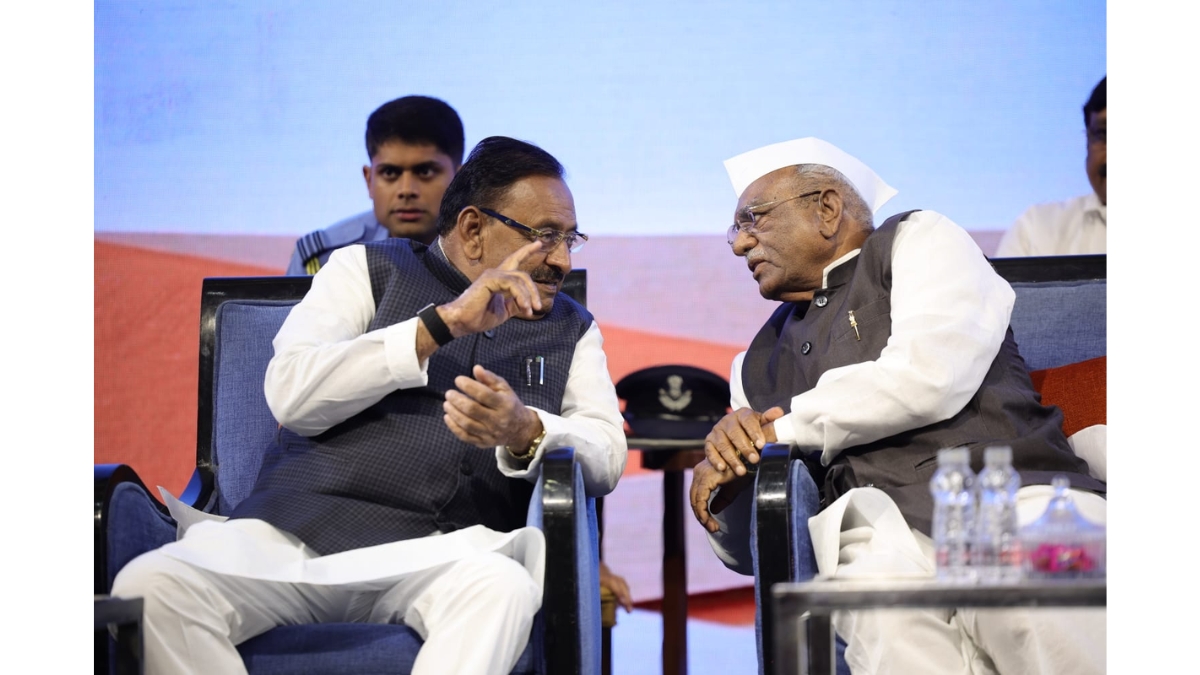
Organised by Phoenix Foundation and Tefla’s; Rajasthan Governor Haribhau Bagde calls ethanol India’s shield against oil-market shocks
Mumbai (Maharashtra) [India], September 29: The Bharat Ethanol Forum 2026 concluded at The Westin Mumbai Powai Lake on Tuesday. Organised by Phoenix Foundation and Tefla’s, the forum held two days of wide-ranging discussion on India’s ethanol programme and the next phase of biofuel growth. Its theme was “Fuelling Bharat. Powering Growth”. It brought sugar mills, grain distillers, oil marketing companies, technology and equipment providers, investors, scientists, farmer representatives and policymakers onto a single platform.
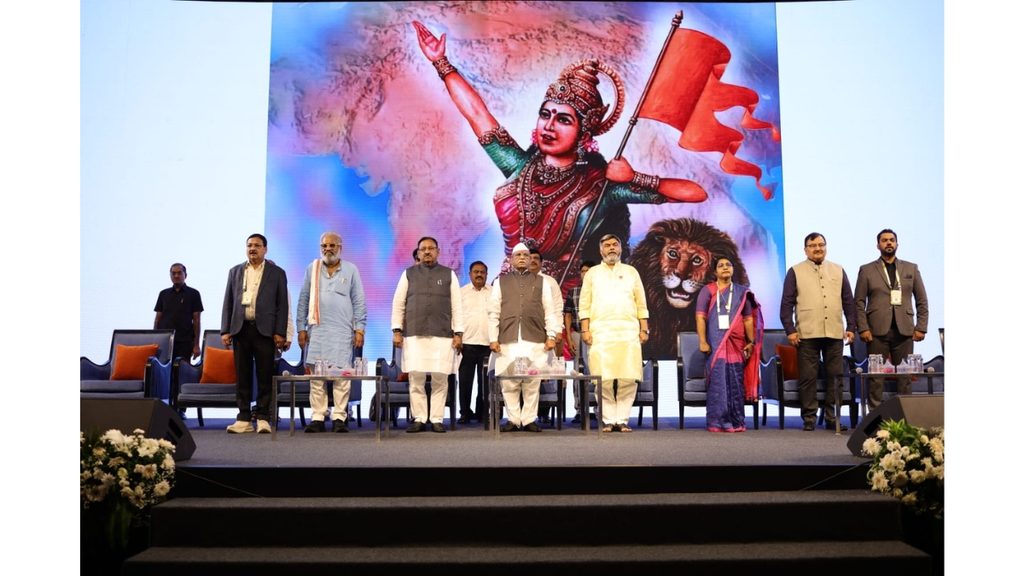
Every link in the chain took part, from the farm and the mill to the fuel pump and the policy table. The forum turned a technical debate into a shared national conversation on energy security, farmer incomes and cleaner air.
“Sugarcane fields should be reservoirs of ethanol”
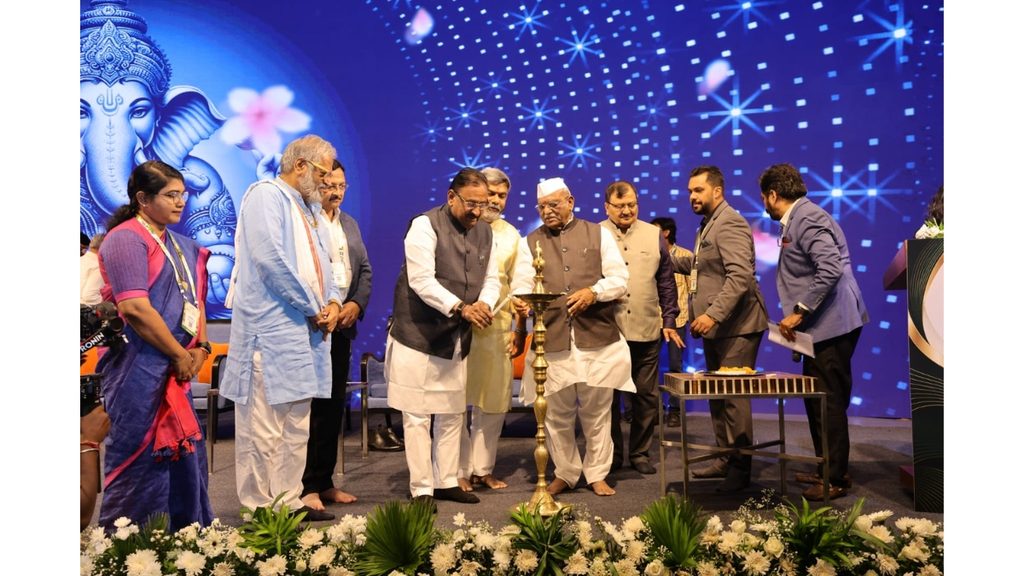
Rajasthan Governor Haribhau Bagde delivered the keynote address at Monday’s inaugural session. He strongly advocated the production, promotion and use of ethanol, saying it would protect India from shocks in international petroleum markets and from geopolitical risks. “Sugarcane fields should be like wells and reservoirs of ethanol… we must lead the world,” he said. He credited Prime Minister Narendra Modi and Union Road Transport and Highways Minister Nitin Gadkari for promoting ethanol.
The Governor is a former Speaker of the Maharashtra Legislative Assembly with long experience of sugar cooperatives. He recalled that ethanol blending began under the Atal Bihari Vajpayee government, when Ram Naik was Petroleum Minister. “A pilot programme to blend ethanol with petrol was inaugurated at Manmad in Maharashtra, where large petrol and diesel depots are located. I was present as Minister for Food and Civil Supplies,” he said.
“Sugar factories cannot survive on sugar alone. Their viability depends on value-added by-products. Many cooperative mills suffered heavy losses precisely because they produced only sugar. Then came cogeneration plants for electricity, followed by ethanol units and in-house distilleries,” he said. With strong encouragement and capital subsidies from the Central Government, he added, ethanol plants spread rapidly across Maharashtra and the country.
The Governor pointed out that ethanol is used as a vehicle fuel, as an industrial chemical, and in medicines, beverages and hand sanitisers. Recalling the COVID-19 pandemic, he said he saw five-litre cans of sanitiser selling for as much as Rs.2,000, when ethanol itself cost around Rs.57 a litre. His group obtained a manufacturing licence and supplied properly prepared five-litre cans to gram panchayats at Rs.400 each, keeping only a modest margin. “In hard times, the priority must be public service, not profiteering,” he said.
Ethanol, he added, can be made not only from cane juice and molasses but also from grain and agricultural waste. “Almost any organic matter, anything other than metal, stone or plastic, can yield some ethanol.”
Ethanol key to timely cane payments
Maharashtra Cooperation Minister Babasaheb Patil said sugar factories are essential for farmers. But ethanol production, he said, is vital to strengthen the rural economy and ensure timely cane payments. He pointed to rising pollution in Delhi, Mumbai and other cities, and the illnesses it is feeding. Running vehicles on ethanol and alternative energy was the solution, he said, and the government under Prime Minister Modi was working in that direction.
History, and a sharp message to critics
Pasha Patel is Chairman of the Maharashtra State Agricultural Price Commission and Executive Chairman of the Chief Minister’s Environment and Sustainable Development Task Force. He traced India’s long history with ethanol, once known as “power alcohol”. Krishnaraja Wadiyar of Mysore, he recalled, set up a sugar factory at Mandya in the 1930s and began producing power alcohol by 1940. Pandit Jawaharlal Nehru wrote in The Discovery of India that the country needed power alcohol but could not produce it under British rule. Blending finally began with the Vajpayee government’s decision on 5% ethanol, followed by E10 and E20, he said.
Patel criticised what he called misinformation spread by an “Ethanol Janta Party”. Opposition intensified only after Prime Minister Modi announced the ambition of flex-fuel engines running on 100% ethanol, he said. He urged ethanol producers to speak out and counter the campaign with facts.
Answering the consumer’s question
Atul Chaturvedi, Executive Chairman of Shree Renuka Sugars Ltd, addressed concerns about whether ethanol-blended fuel is safe for vehicles. Modern fuel systems increasingly use ethanol-resistant materials, he said. The effect on seals and other components depends on material compatibility, exposure and usage over time. He also discussed how higher blends affect fuel efficiency. As India moves towards greater ethanol use, he said, technological adaptation and consumer awareness must keep pace.
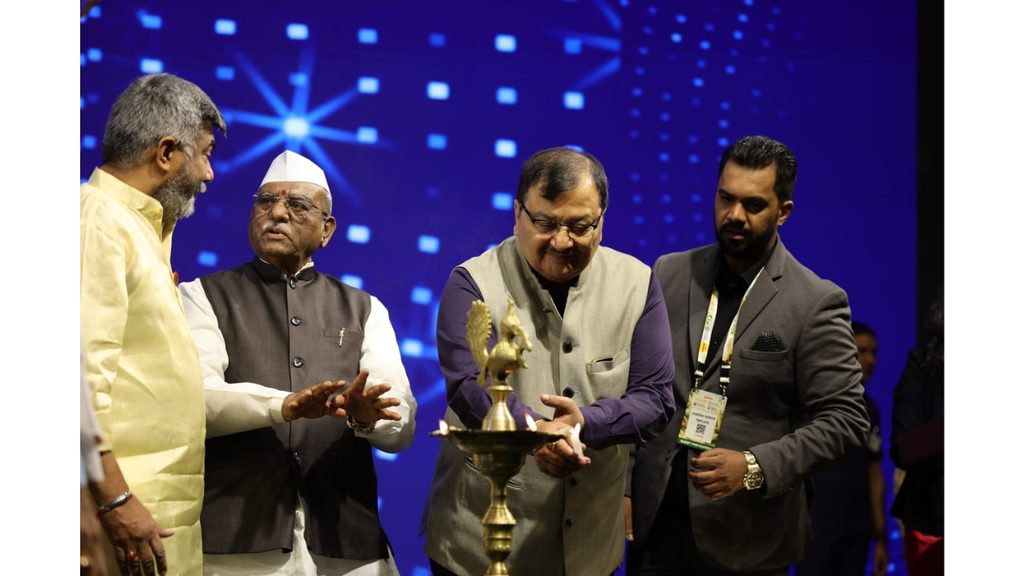
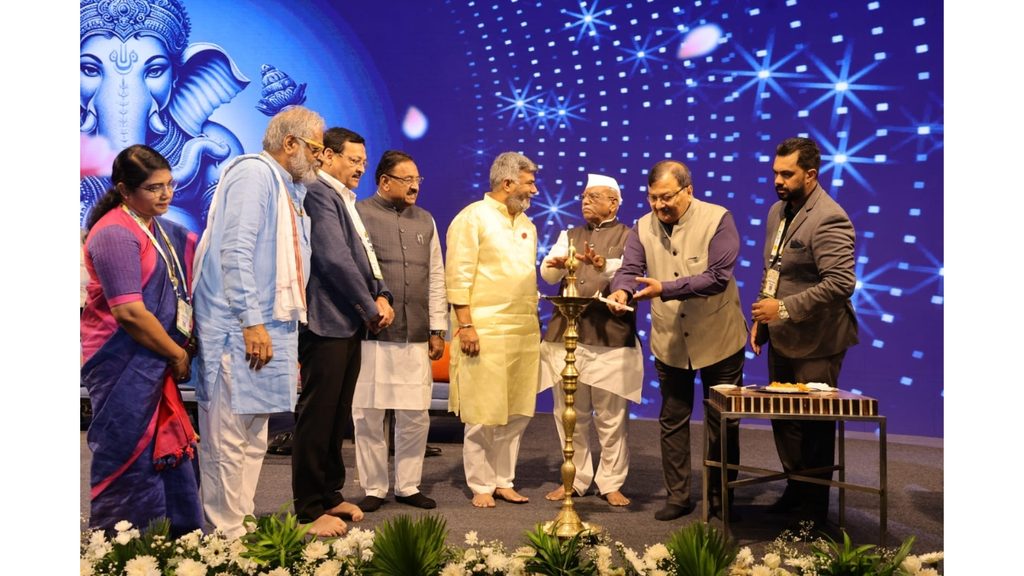
Hemant Patil, MLC; Adv. Sangeeta Vishwanathan, Chairperson of the Spices Board; and Gujarat Water Resources Minister Ishwarsinh Patel were among the dignitaries present at the inauguration.
Beyond E20
The business sessions addressed the question now central to the sector: with the E20 milestone crossed, what comes next? Speakers from ISMA, the All India Distillers’ Association, BPCL, sugar companies and technology firms agreed on three needs for the next phase:
- diversifying feedstock beyond sugarcane
- improving the financial health of mills
- bringing new technology into the field
A dedicated session examined India’s vast agricultural biowaste resource base, much of which is still burnt in the fields. It looked at how this waste can be aggregated, contracted and converted into second-generation ethanol and compressed biogas. Industry leaders, including BPCL’s biofuels division, discussed integrated BioCNG production at sugar factories and effluent treatment plants, which can turn a source of pollution into a source of rural income.
The Ethanol & Biofuels Trade & Tech Expo showcased:
- plant technology and 2G ethanol
- fermentation, enzymes and yeast
- water management and zero liquid discharge systems
- advanced biofuels, including sustainable aviation fuel
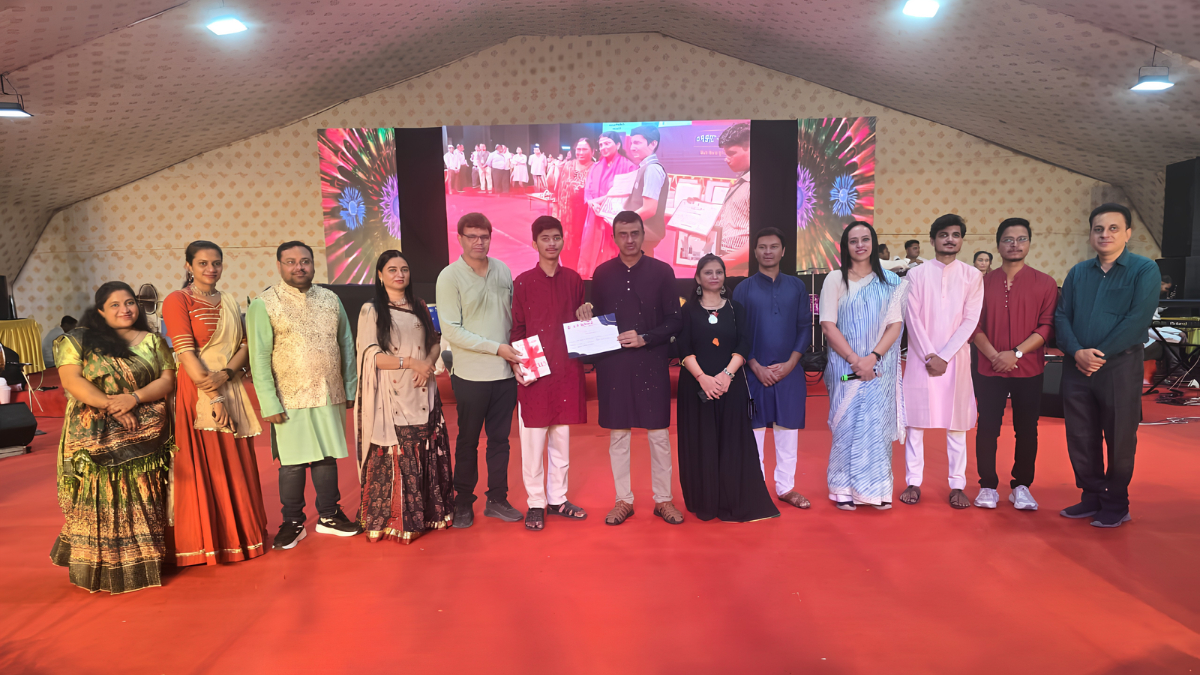
The Bharat Ethanol Leadership Awards on Monday evening recognised contributions across the ethanol value chain.
A forum that met its purpose
The forum closed with broad agreement on one point. India’s ethanol journey must now be measured not only in blending percentages but also in farmer incomes, rural employment, cleaner air and lower dependence on imported crude oil. Policymakers, industry, scientists and farmer representatives all took part in strong numbers. The organisers said this showed the forum had met its aim of building an informed, fact-based conversation around ethanol.
Phoenix Foundation, Latur, works as a social and educational movement on public-interest issues, including sustainability and farmer welfare. Tefla’s brought its long experience of running national industry platforms to the event.
About Tefla’s
Tefla’s has over three decades of experience and is one of India’s established creators and curators of high-impact business platforms. Its platforms bring together industry leadership, market intelligence, global networking and prestigious recognition. Through influential properties such as Globoil India, and a diverse portfolio of conferences, exhibitions, leadership forums and awards, Tefla’s has built enduring platforms that connect businesses, policymakers, thought leaders and global stakeholders.
If you object to the content of this press release, please notify us at pr.error.rectification@gmail.com. We will respond and rectify the situation within 24 hours.