 Vijay Singh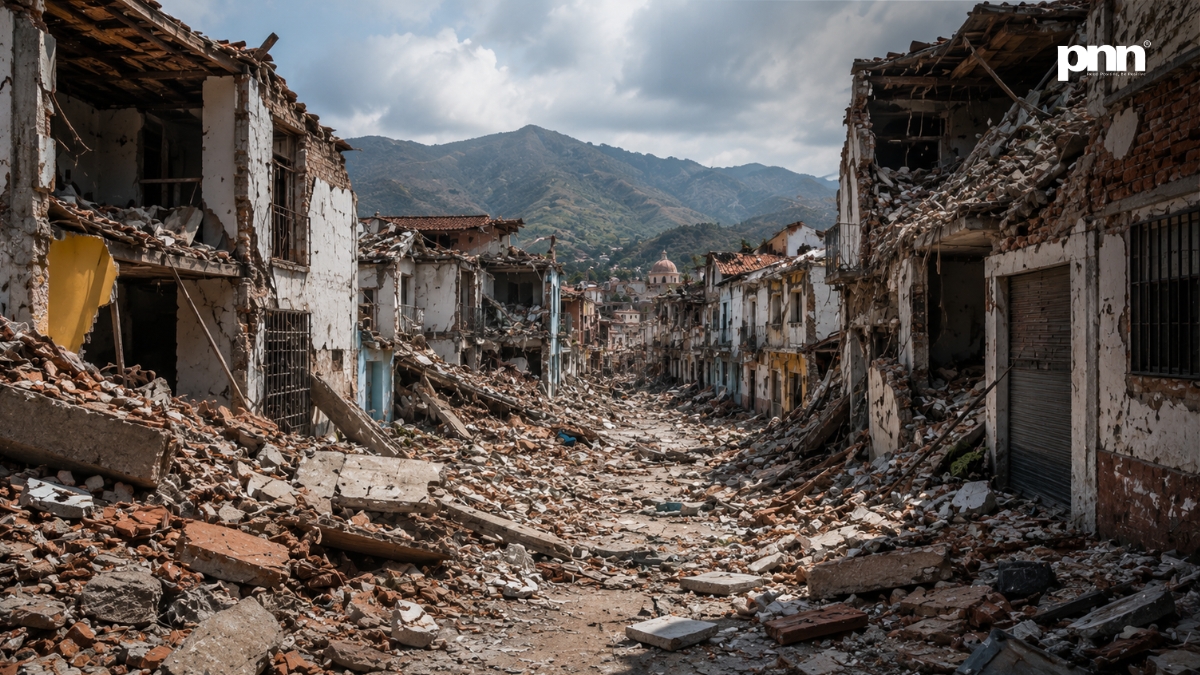
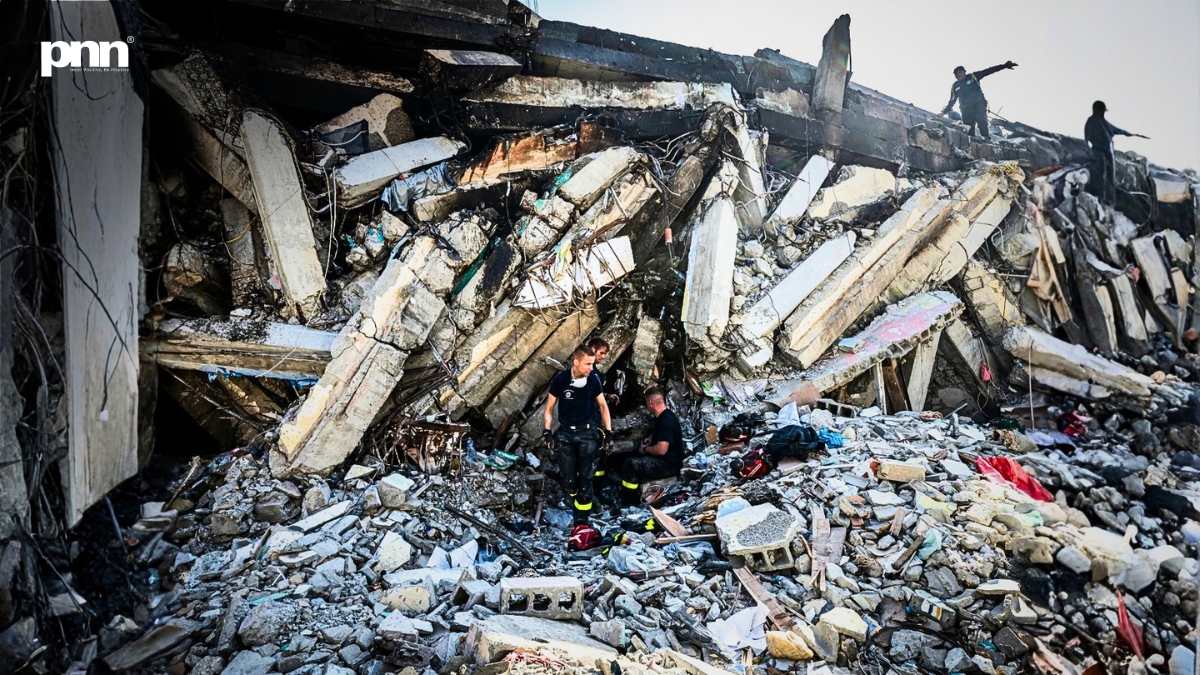
Mumbai (Maharashtra) [India], July 4: Earthquakes rarely end when the ground stops shaking. The tremors may last only seconds, but the aftermath stretches into months, sometimes years. Roads crack, hospitals struggle, homes disappear, and entire communities find themselves measuring life in “before” and “after.” Venezuela is now living through that familiar, unforgiving reality.
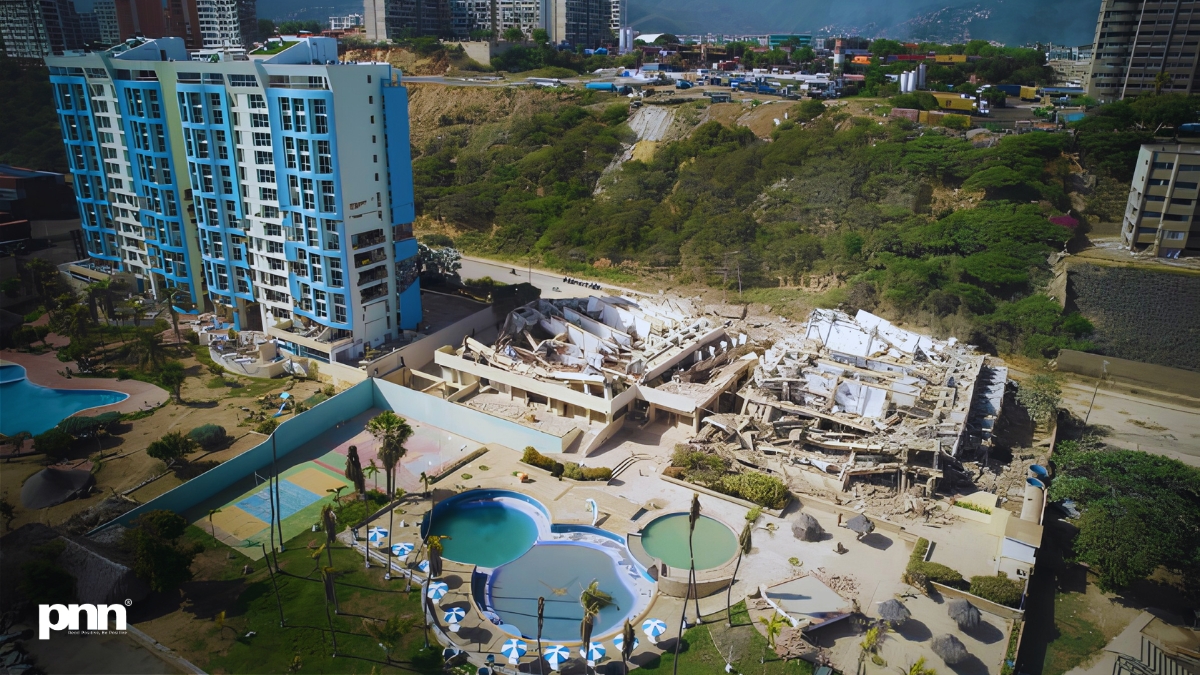
Fresh satellite analysis following last week’s devastating earthquakes indicates that more than 58,000 buildings have been damaged or destroyed, highlighting the immense scale of destruction across affected regions. Humanitarian organisations warn that hundreds of thousands of survivors urgently require food, temporary shelter, healthcare, and clean water as emergency response efforts continue.
Ironically, satellites can now calculate the damage within hours.
Rebuilding what they observe still takes years.
When Satellites Become The First Responders
Long before rescue teams can reach every neighbourhood, satellites begin telling the story.
Using high-resolution Earth observation imagery, disaster assessment agencies have mapped collapsed buildings, damaged infrastructure, and inaccessible communities. These technologies allow governments and humanitarian organisations to prioritise rescue operations, allocate resources more efficiently, and identify regions where assistance is needed most.
The latest assessments paint a sobering picture.
More than 58,000 affected structures represent not just physical damage but homes, schools, businesses, and healthcare facilities that thousands of families depended upon every day.
Technology may see everything from space.
It still cannot replace a roof.
Recovery Is About People, Not Just Buildings
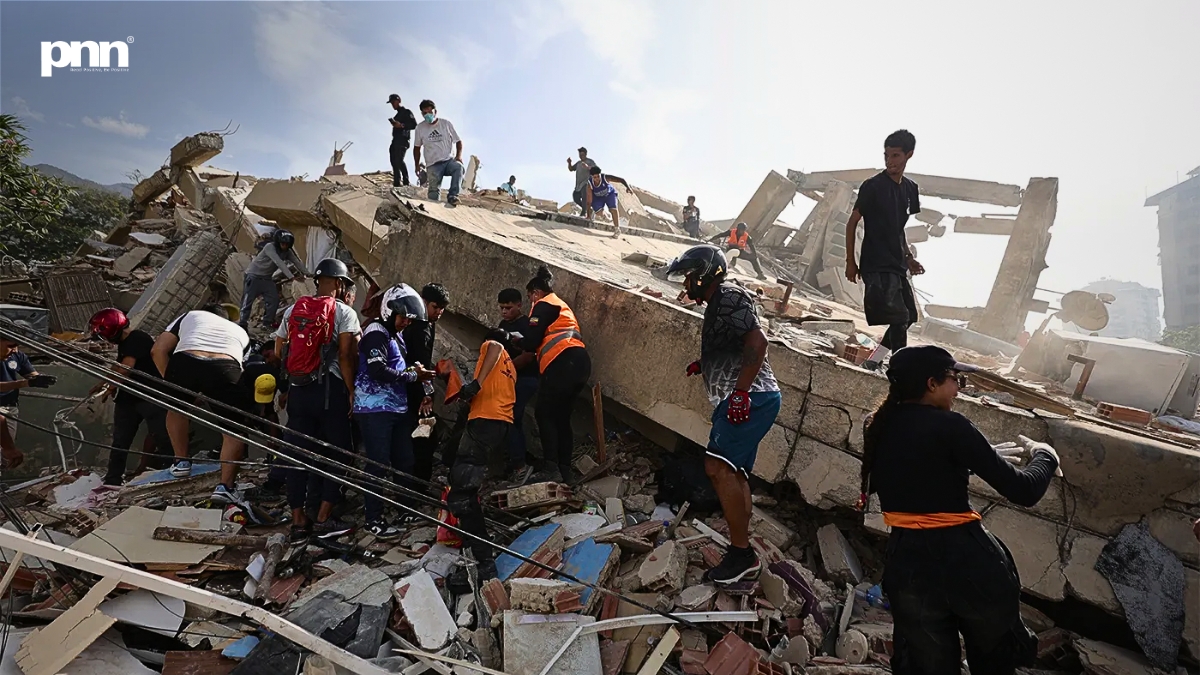
While infrastructure damage often dominates statistics, humanitarian agencies stress that the real emergency revolves around displaced communities.
Relief organisations continue working alongside local authorities to provide:
- Emergency food supplies.
- Temporary shelter for displaced families.
- Medical treatment for injured survivors.
- Access to clean drinking water and sanitation facilities.
Many communities remain vulnerable to aftershocks, damaged transportation networks, and disrupted public services, making relief operations considerably more complex.
For survivors, recovery begins with something remarkably simple.
A safe place to sleep.
Natural Disasters Carry Economic Aftershocks Too
Earthquakes don’t simply damage infrastructure.
They interrupt economies.
Roads become unusable, businesses close temporarily, agricultural supply chains are disrupted, and public finances face enormous pressure as governments redirect resources toward emergency response and reconstruction.
According to international disaster studies, rebuilding after major earthquakes often requires billions of dollars in long-term investment, depending on the scale of destruction and infrastructure losses.
Current priorities include:
- Restoring transportation networks.
- Repairing hospitals and schools.
- Rebuilding residential communities.
- Supporting local businesses and employment.
The shaking eventually stops.
The financial consequences rarely do.
Technology Is Changing Disaster Response
One encouraging development is the growing role of advanced technology in humanitarian operations.
Satellite imagery, artificial intelligence, and geospatial mapping now enable emergency responders to assess damage significantly faster than traditional ground surveys alone. International organisations increasingly rely on these tools to coordinate rescue efforts and distribute aid more efficiently.
Modern disaster response now combines:
- Satellite-based damage assessment.
- Real-time mapping technologies.
- Drone-supported emergency surveys.
- Digital coordination between humanitarian agencies.
Innovation cannot prevent earthquakes.
It can, however, shorten the road to recovery.
The Challenges That Still Remain
Despite rapid assessment technologies, significant obstacles continue.
Among the immediate concerns are:
- Large-scale displacement of families.
- Healthcare facilities are operating under pressure.
- Damaged public infrastructure.
- Long-term housing reconstruction.
Relief agencies continue appealing for international support as humanitarian needs evolve from emergency rescue toward sustained recovery.
A Reminder Of Resilience
Natural disasters have an uncomfortable way of exposing both vulnerability and resilience simultaneously.
The latest assessments reveal the enormous scale of destruction, yet they also demonstrate how rapidly international cooperation, satellite technology, and humanitarian coordination can mobilise in response.
Venezuela‘s recovery will not be measured solely by the number of buildings reconstructed.
It will be measured by how successfully communities rebuild lives, restore opportunity, and regain stability after unimaginable disruption.
Perhaps that’s the quiet truth behind every major disaster.
The strongest foundations are rarely made of concrete alone.
They’re built through resilience, cooperation, and the determination to begin again—even when the ground itself has refused to stand still.