
 Vijay Singh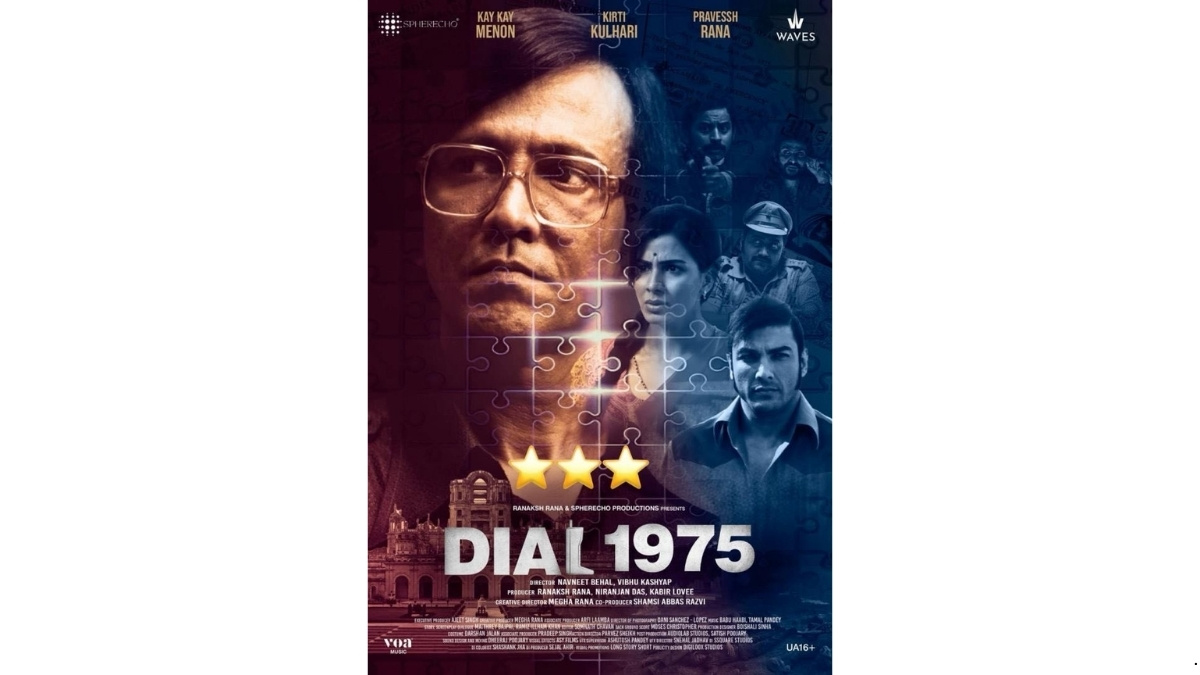
New Delhi [India], August 24: Dial 1975 has an intriguing idea at its centre. Set during the Emergency, the film follows the trail of a wireless telephone secretly ordered from Germany and the people who become caught up in the search for it. What initially sounds like a simple object becomes increasingly significant as the story unfolds, especially in a period when communication itself could put people at risk.
The Emergency setting is one of the film’s biggest strengths. The atmosphere feels tense and watchful, with the characters constantly having to think twice about what they say, whom they trust and where they go. The film understands the paranoia of the period and uses it to give what could otherwise have been a straightforward chase a political and emotional undercurrent.
The first half, however, takes a little while to settle. There are several characters and parallel developments being introduced, and the film doesn’t immediately make it clear how all these pieces fit together. This can make the narrative feel slightly confusing in places. Instead of being pulled into the mystery right away, the audience may find itself trying to keep track of who is connected to whom.
Once the different threads start coming together, the film becomes considerably more engaging. The search for the telephone gives the story a distinctive hook, and some of the quieter moments work better than the more obvious thriller sequences. The tension comes from the possibility of someone finding out too much or ending up in the wrong place at the wrong time.
Kay Kay Menon brings the strongest presence to the film. As Govind, he plays the character with a controlled intensity and just enough ambiguity to keep you guessing about his intentions. Menon doesn’t overplay the mystery, which makes his scenes interesting even when the screenplay doesn’t give him too much to work with.
Kirti Kulhari is natural in her role, while Pravesh Rana adds a grounded quality to the proceedings. Uday Chandra and Tom Alter also fit well into the film’s period setting. The performances generally keep the characters believable even when the plot becomes somewhat complicated.
The production also deserves credit for creating a convincing period world. The detailing, locations and overall visual treatment complement the Emergency-era setting and help the film establish the mood without feeling overly staged.
Where Dial 1975 loses some momentum is in its writing and pacing. There are stretches where the story seems to move sideways rather than forward, and a few developments don’t have the impact they could have had. Some characters also feel underwritten, leaving you wanting to know more about their motivations. The suspense is present, but it isn’t consistently gripping from beginning to end.
The climax also feels like it could have delivered a little more after the amount of buildup the film invests in the central mystery. The premise creates an expectation of a tightly wound thriller, whereas the execution is more measured and occasionally uneven.
That said, the film deserves credit for attempting something different. Turning a wireless phone into the centre of a period thriller is an unusual choice, and the Emergency backdrop gives the story a texture that separates it from a routine chase film.
Dial 1975 isn’t a flawless thriller, and its complicated screenplay and uneven pacing sometimes work against it. But the interesting premise, period atmosphere and dependable performances, particularly Kay Kay Menon’s — make it a reasonably engaging watch. It works best when it focuses on the fear surrounding communication and the people trying to stay one step ahead.
Dial 1975 — ★★★☆☆ (3/5)