
 Vijay Singh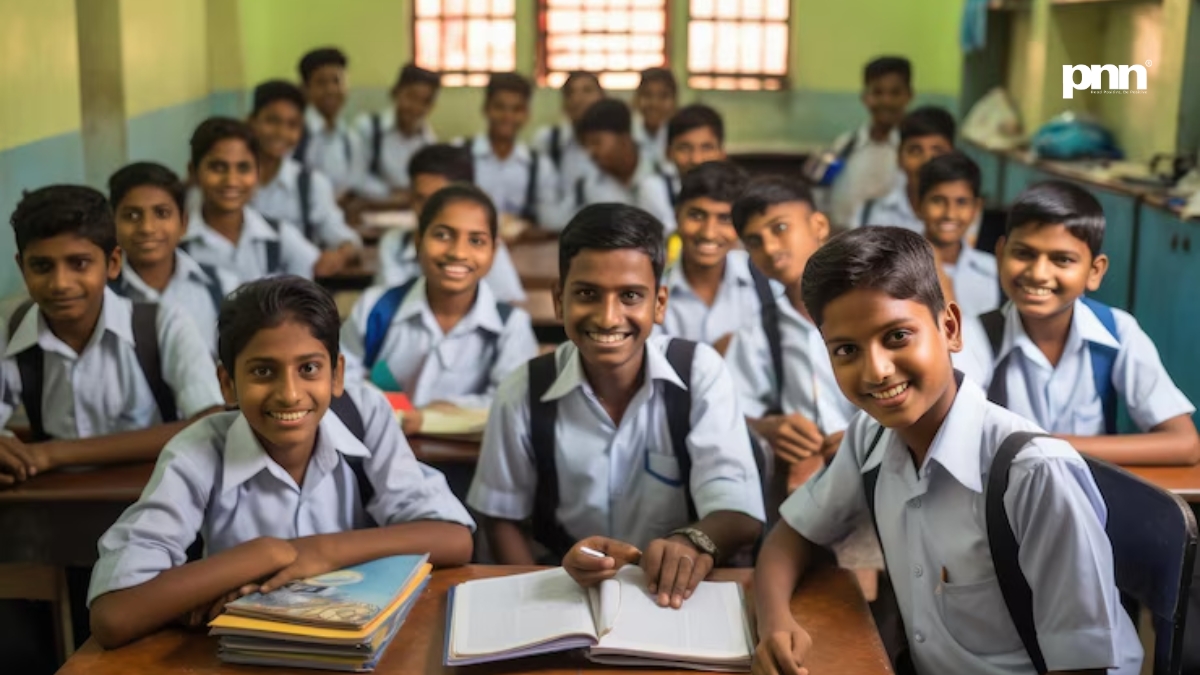
A Classroom in Every Village, A Rupee in Every Pocket
Mumbai (Maharashtra) [India], July 16: Step into a government school in rural Bihar or Odisha these days and you’ll spot a big change from two decades back: classrooms are actually full. Kids squeeze together on wooden benches, their uniforms neat, a teacher juggling more names than she can probably remember. It’s loud. It’s not fancy — and yes, the paint’s peeling. But underneath all the imperfections, you can see one of the real engines behind India’s economic growth firing up quietly.
India didn’t just wake up one day as the world’s fifth-largest economy. The numbers grab headlines, but the real story is slower and far less glamorous: millions more children learning to read, more girls sticking with school after puberty, and a new generation picking up skills nobody in their family had before. Education isn’t just a nice thing to have or some abstract social good. It’s the foundation that transforms the whole economy.
The Literacy Curve and the Growth Curve
Back in 1951, only about 18% of Indians could read and write. By 2011, that number cleared 74%, and today it’s hovering around 80%. If you put that literacy curve side by side with GDP growth, they climb together almost in step. That’s not just luck or a happy accident. One helped create the other.
People who can read and do basic math simply get more done. A farmer who reads the instructions on a bag of fertilizer wastes less and grows more. A factory worker who understands safety signs and technical manuals makes fewer mistakes. A shop owner who keeps accounts on paper, not just in his head, can actually grow his business. When all these little improvements multiply across a country of 1.4 billion, they add up to a real difference.
Economists like to say “human capital” drives growth — right alongside machines and investment. In India, you see it clearly. The growth spurt after the 1990s matches up with a generation who, for the first time, actually went to school. The Right to Education Act in 2009 pushed classroom numbers even higher. With more kids learning and growing into skilled workers just as the economy opened up for trade and investment, things took off.
The IT Story Nobody Should Forget
Think about India’s IT success for a second. If there’s one piece of the economy that makes the power of education obvious, it’s this one. Starting in the ’80s and ’90s, the government built engineering colleges and expanded the IITs, turning out way more tech grads than local companies could hire at the time. This “over-supply” of young, English-speaking engineers set the stage for something huge: the global IT boom.
Companies like Infosys, TCS, and Wipro didn’t have to go out and build a talent pipeline from scratch — it was right there, ready to go, because someone else had paid for classrooms, teachers, and science textbooks years before. Now, IT and related services punch in at about 7-8% of GDP and directly employ millions, with ripple effects all around. None of that takes off without the decades of slow investing in education first.
Where the Gaps Still Cost Us
But nobody should get too comfortable. A school full of kids doesn’t guarantee a stronger economy. India still loses a huge chunk of its potential because schools don’t always turn attendance into actual learning. Just check out the ASER reports — year after year, they show how many fifth graders can’t read a second-grade book or solve basic division. Getting kids through the school gate is one thing; teaching them is a whole different challenge.
This “learning poverty” comes at a real price. The World Bank says that if we let it slide, we’re looking at years of lost growth, with people qualified on paper but unprepared for actual work. India’s youth bulge promises prosperity only as long as younger generations are actually employable. Otherwise, the dividend turns into a problem: millions of young people who can’t find a place in the formal workforce, stuck on the sidelines.
And then there’s the question of gender. Sure, more girls sign up for school than ever before, but a lot still drop out after secondary school, especially in some states. Women in the workforce? The numbers are still way below most big economies. Fix this — bring millions more educated women into paid jobs — and you don’t just change lives, you give GDP a pretty solid boost.
Skills for the Next Decade
Now that basic literacy is nearly universal, the next challenge is all about skills. The world of work is changing fast — automation, AI, new kinds of jobs. India’s education system is just starting to catch up. Programs like Skill India and efforts to bring vocational training into schools help, but with 12 million young people joining the workforce each year, the mountain is huge.
Colleges and universities pump out degrees, but employers complain every year that most graduates aren’t job-ready — especially when it comes to communication, coding, and problem-solving. Until India closes the gap between what you learn in school and what you actually need at work, future GDP growth stays stuck in low gear.
The Long Game
Education doesn’t pay off overnight. The kid who’s learning to read in a village school right now might only start showing up in GDP figures a decade or two from now, once she’s working and earning. That’s honestly why politicians and policymakers often cut corners — the rewards show up years later, under someone else’s watch.
But look at India’s story. Every big leap in prosperity — from the Green Revolution, to the rise of IT, to a big urban middle class — started with big steps forward in education, sometimes a whole generation earlier. If India is serious about growing into the 2030s and beyond, the real action isn’t just in factories or tech parks, but in classrooms all over the country. That’s where the future is being shaped, every single day.