
 Vijay Singh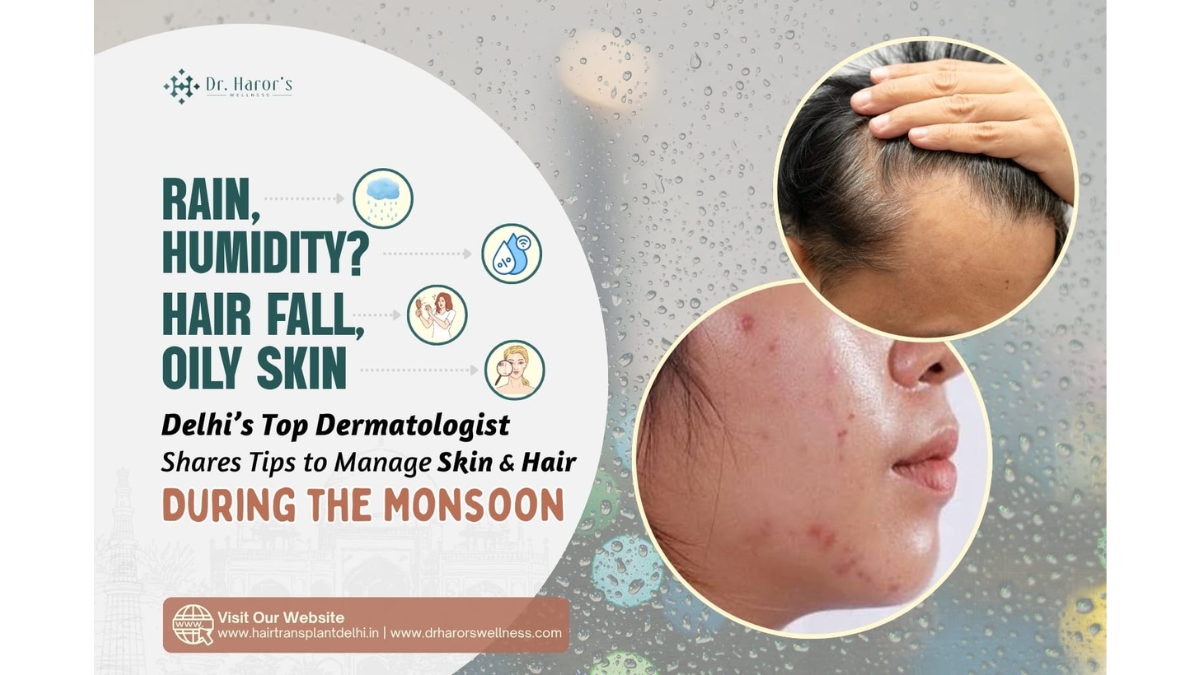
New Delhi [India], June 30: We all love the monsoon. We eagerly wait for it as it brings much-needed relief from the scorching summer heat with rain and a cool breeze. The rainy season is all about getting drenched in the rain, eating your favourite snacks, and drinking hot tea while watching the rain from your window or balcony. Isn’t this season really exciting?
But here is the sad part about this season—with all its excitement and romanticism, it also poses serious challenges for your skin and hair. From excessive oiliness and acne breakouts to frizzy hair and seasonal hair fall, the increased humidity in the air can disrupt the natural balance of your skin and scalp. If you want to enjoy the monsoon without any skin or hair concerns, you must make a few essential changes to your skincare and haircare routines.
Dr. Vineeta Pathak, skin specialist in Delhi at Dr. Haror’s Wellness, says, “An increase in skin and hair issues during the rainy season is very common and can be attributed to the presence of excessive moisture in the air, sweat, environmental pollutants, and microbial growth. This creates a perfect breeding ground for fungal infections, dandruff, acne, clogged pores, and other related concerns. However, with proper precautions, these issues can be effectively managed.”
Why Monsoon Takes a Toll on Skin and Hair
During the monsoon, humidity levels rise significantly, leading to increased sebum production in the skin. This results in clogged pores, acne, fungal infections, dullness, and sticky skin. Likewise, the scalp is more likely to become sweaty, itchy, and flaky, while weakened hair roots can lead to increased hair shedding. Unfortunately, many people think that cooler temperatures mean less care is required for the skin and hair, which is not true, say expert dermatologists. In fact, the rainy season demands a more targeted approach.
Monsoon Skincare: Keep It Clean, Light and Balanced
Talking about seasonal skin concerns, Dr. Vineeta Pathak, a renowned skin specialist in Delhi at Dr. Haror’s Wellness, says that the focus during the monsoon season should be on maintaining a clean and balanced skincare routine. She further adds, “One common mistake that people often make during the rainy season is over-moisturizing or using heavy products that clog pores. The humidity is already very high during the monsoon, which results in increased oil production in the skin, particularly in oily and combination skin types. Therefore, the focus should be on gentle cleansing, lightweight hydration, and proper sun protection.”
According to her, the following skin care tips can help keep your skin healthy during the rainy season:
- Cleanse your face twice a day with a gentle, mild cleanser that suits your skin type.
- Use only non-comedogenic, lightweight moisturizing products to keep the skin hydrated without making it greasy.
- Apply sunscreen daily, even on cloudy days, as harmful UV rays can pass through clouds.
- Try to avoid touching your face with unclean hands.
- Exfoliate 1–2 times a week to get rid of dead skin cells and keep pores clear.
- Keep makeup minimal and use breathable products.
- Drink plenty of water and eat antioxidant-rich fruits and vegetables.
Expert Haircare Tips for the Rainy Season
Celebrity hair transplant surgeon and renowned trichologist Dr. Navnit Haror (Gold Medalist), founder of Dr. Haror’s Wellness, believes seasonal hair fall can be easily managed with proper scalp care and early intervention. He says, “During monsoon, our scalp remains damp for a long time, either due to rain or excessive sweating caused by high humidity in the environment. Excess moisture, pollutants, and microbial growth can weaken hair roots and make the scalp more vulnerable to irritation and hair shedding. The key is to maintain scalp hygiene and avoid practices that cause additional stress to the hair.”
Dr. Haror, the best dermatologist for hair loss, recommends these tips to take care of your hair during the monsoon:
- Wash your hair regularly using sulphate-free, mild shampoos to remove pollutants, dirt, and sweat.
- Use a hydrating conditioner to lock in moisture, reduce frizz, and make detangling easier.
- Use a deep conditioning mask once a week to replenish moisture and restore smooth, healthy hair texture.
- Massage your scalp with lukewarm oil like coconut, almond, or argan oil. It improves blood circulation, restores hair shine, and reduces frizz.
- Do not leave rainwater on the scalp for too long.
- Make sure the scalp is thoroughly dry before tying your hair.
- Do not overuse heat styling tools, as they can damage the hair shafts.
- Eat foods that provide protein, iron, zinc, and vitamins to support hair health.
- If you notice consistent, excessive hair loss, consult a hair specialist as soon as possible.
Lifestyle Habits Matter More Than You Think
Expert dermatologists at Dr. Haror’s Wellness are also of the opinion that relying entirely on hair and skin care products is not enough. Your skin and scalp need support from within. They warn that certain lifestyle habits are secretly ruining your skin and hair, such as excessive smoking and alcohol consumption, poor diet, inadequate sleep, stress, and nutritional deficiencies, which often worsen both skin and hair concerns during the monsoon. Maintaining a balanced diet rich in proteins, vitamins, minerals, and antioxidants can strengthen the skin barrier and hair follicles. Regular exercise and stress management techniques such as yoga and meditation can go a long way in maintaining healthy hair and skin.
When Should You See a Hair or Skin Specialist?
Though acne breakouts, oiliness, clogged pores, and mild shedding are normal during the monsoon, they should not be ignored if they persist for longer. It is better to consult a skin specialist or an expert hair doctor to get your problem addressed. Sometimes, these can be early signs of severe acne, skin infections, scalp inflammation, dandruff, or hair loss.
Changes in weather conditions can affect your daily routine, but following a holistic routine can help keep your skin and hair healthy and beautiful. With these tips from expert dermatologists, you can enjoy the rainy season without damaging your skin and hair.
However, if you’re facing any issues with your skin or hair during the monsoon, it is better to consult a skin specialist in Delhi, a hair doctor, or a certified trichologist on time to get to the root of the problem and treat it accordingly before it gets worse.
FAQs
Q1. Why does hair fall increase in the monsoon?
Due to high humidity and excessive moisture in the air, the scalp remains damp most of the time, which weakens hair roots, thus leading to increased hair fall during the monsoon.
Q2. How can I control oily skin during the rain?
With a proper skincare routine, you can keep your skin free from excessive oil. Include these in your skincare routine during the monsoon: a gentle cleanser, a lightweight moisturizer, and sunscreen. You should avoid heavy makeup and pore-clogging products.
Q3. When should I see a dermatologist?
You should consult a dermatologist if your hair or skin concerns persist for more than a few weeks.
Disclaimer: This article is intended for general informational purposes only. Please consult the respected healthcare professional for personalized medical advice or treatment.