 Vijay Singh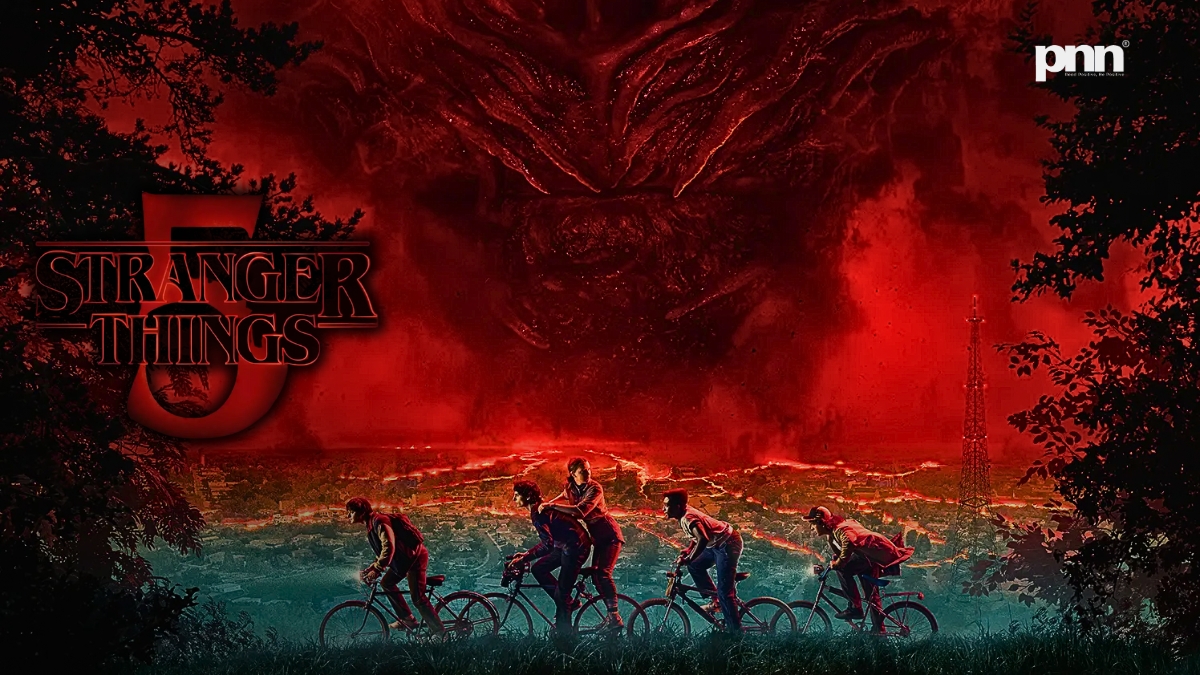
Mumbai (Maharashtra) [India], January 3: For years, cinema owners were told—gently, repeatedly, and sometimes smugly—that streaming had won. The couch was king. The algorithm was good. And theatres, poor souls, were merely nostalgic monuments with sticky floors and overpriced nachos.
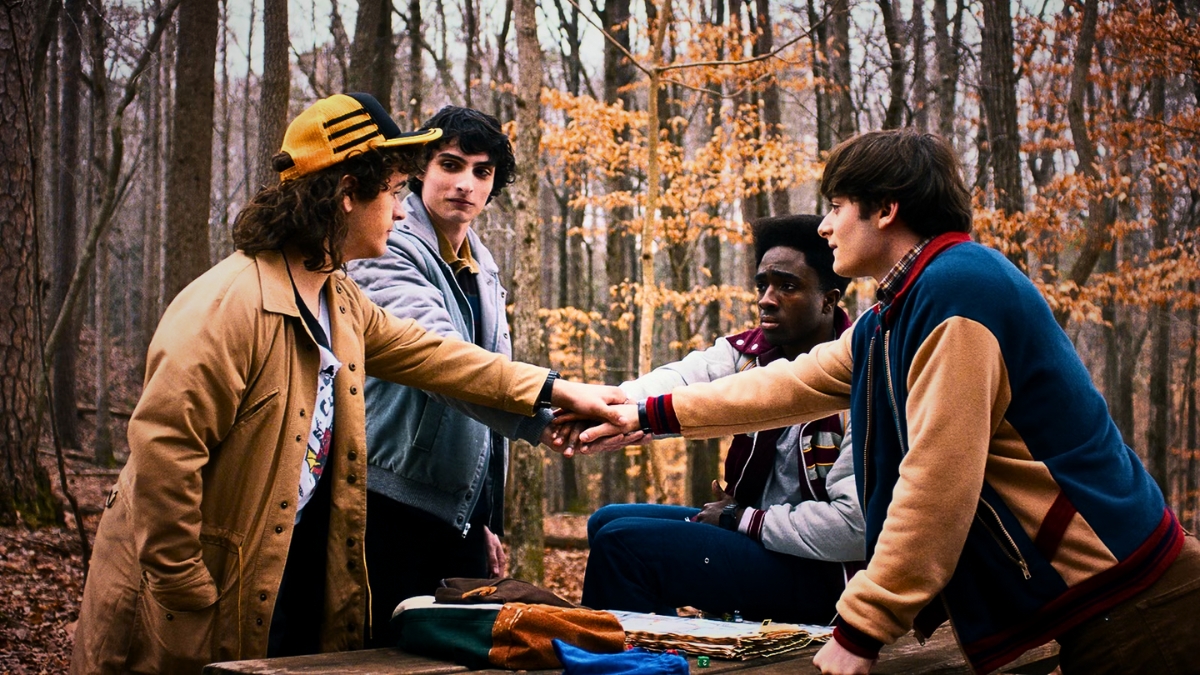
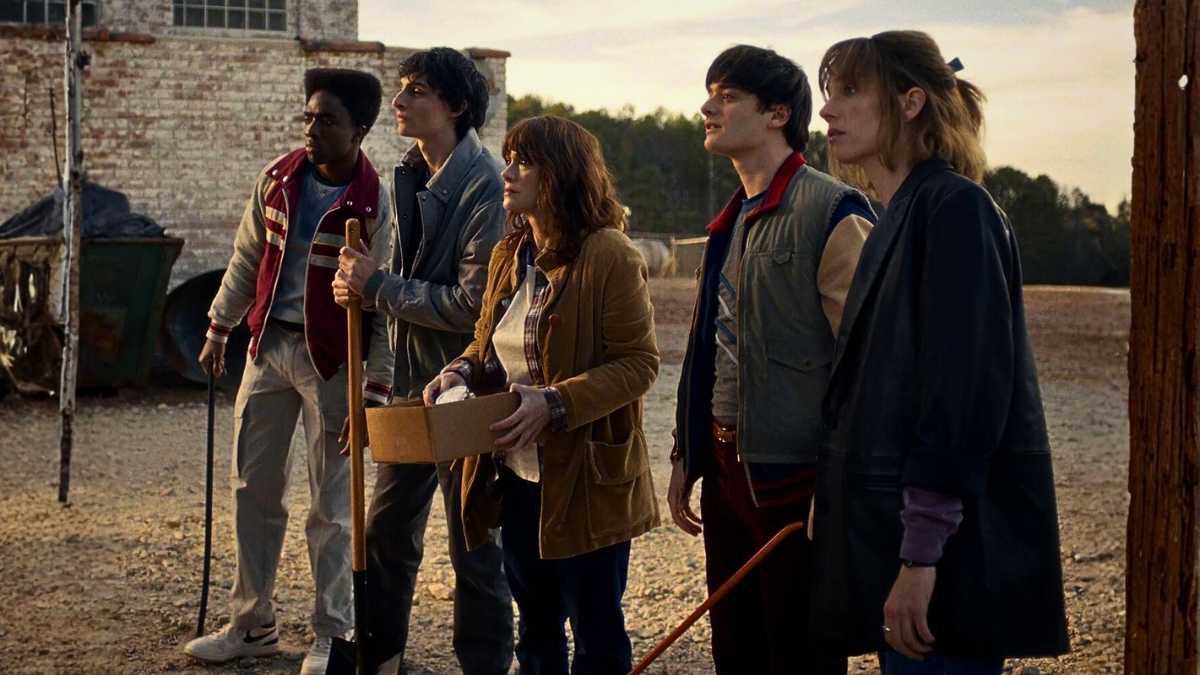
Then Stranger Things ended.
And people—millions of them—put on real pants, left their homes, and lined up for popcorn to watch a show they could have streamed perfectly well on their own screens.
Irony has never tasted this buttery.
The series finale’s hybrid release on New Year’s Eve quietly detonated one of the more fascinating box office surprises in recent memory. Over 1.3 million admissions, packed auditoriums, and a reported $15 million haul for AMC alone, largely fueled by ticketed ancillary sales—food, beverages, premium experiences. Not exactly chump change for an industry supposedly on life support.
This wasn’t just a win. It was a plot twist.
What unfolded wasn’t about defeating streaming. It was about exposing a truth the industry has tiptoed around for years: audiences don’t hate theatres. They hate inconvenience without meaning.
Give them meaning—and spectacle—and they’ll show up.
The Night Streaming Broke Its Own Rules
Netflix built its empire on one promise: you don’t have to go anywhere. Releasing a flagship series finale in theaters sounds, on paper, like ideological betrayal.
In practice, it looked like strategy evolving under pressure.
The finale wasn’t merely screened; it was eventized. Timed to New Year’s Eve. Marketed as a communal goodbye. Enhanced by theatrical exclusivity elements. Suddenly, the living room felt… insufficient.
This wasn’t cinema versus streaming. This was streaming borrowing cinema’s oldest trick: occasion.
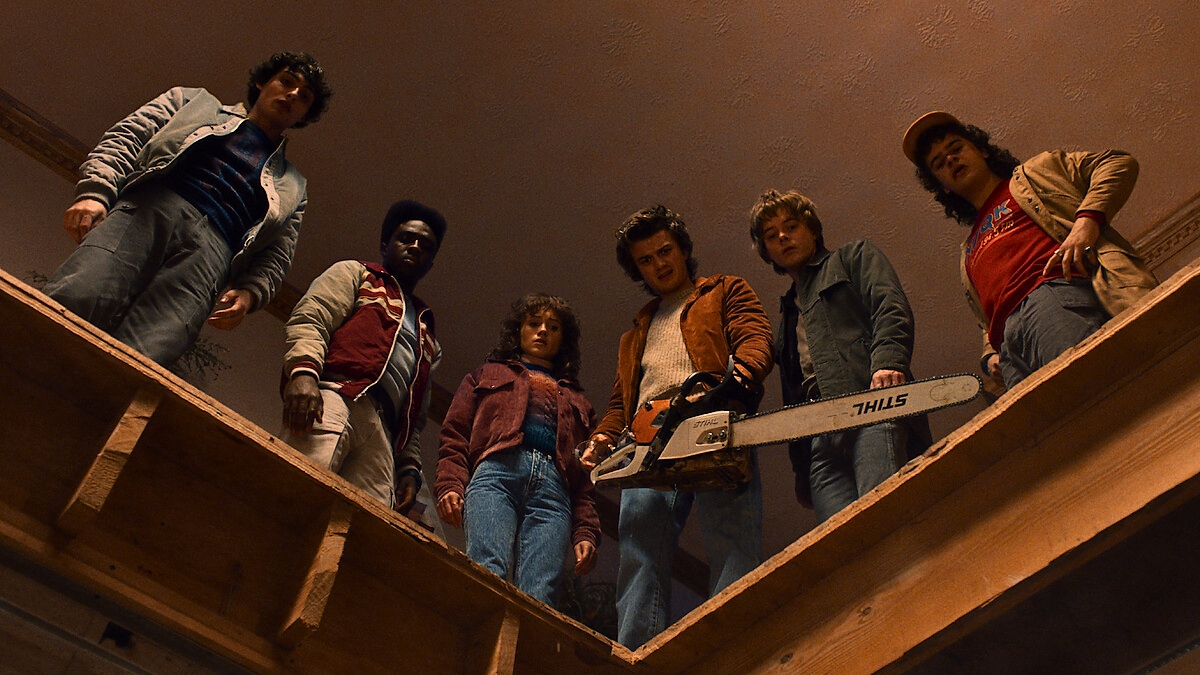
Why Audiences Actually Showed Up
Let’s be honest—this wasn’t about picture quality alone. People didn’t buy tickets for marginally better blacks or louder bass.
They came for:
-
Shared emotional closure
-
Collective nostalgia
-
The social currency of “I was there”
-
And yes, snacks that feel illegal at home
The finale tapped into something algorithms can’t manufacture: ritual. A communal endpoint to a decade-long cultural chapter.
Streaming made content infinite. Cinema made it finite—and therefore valuable.
The Money Trail Nobody Expected
Here’s where things get uncomfortably real.
While ticket prices mattered, concessions carried the night. Premium combos, branded merchandise, drinks that cost more than the ticket itself—cinemas didn’t just survive the event, they monetised emotion.
Reported figures indicate:
-
Over 1.3 million paid admissions
-
Approx. $15 million earned by AMC, largely from F&B
-
High occupancy across premium formats
-
Strong post-pandemic footfall indicators
This wasn’t a charity visit. It was profitable behavior.
The Backstory That Makes This Make Sense
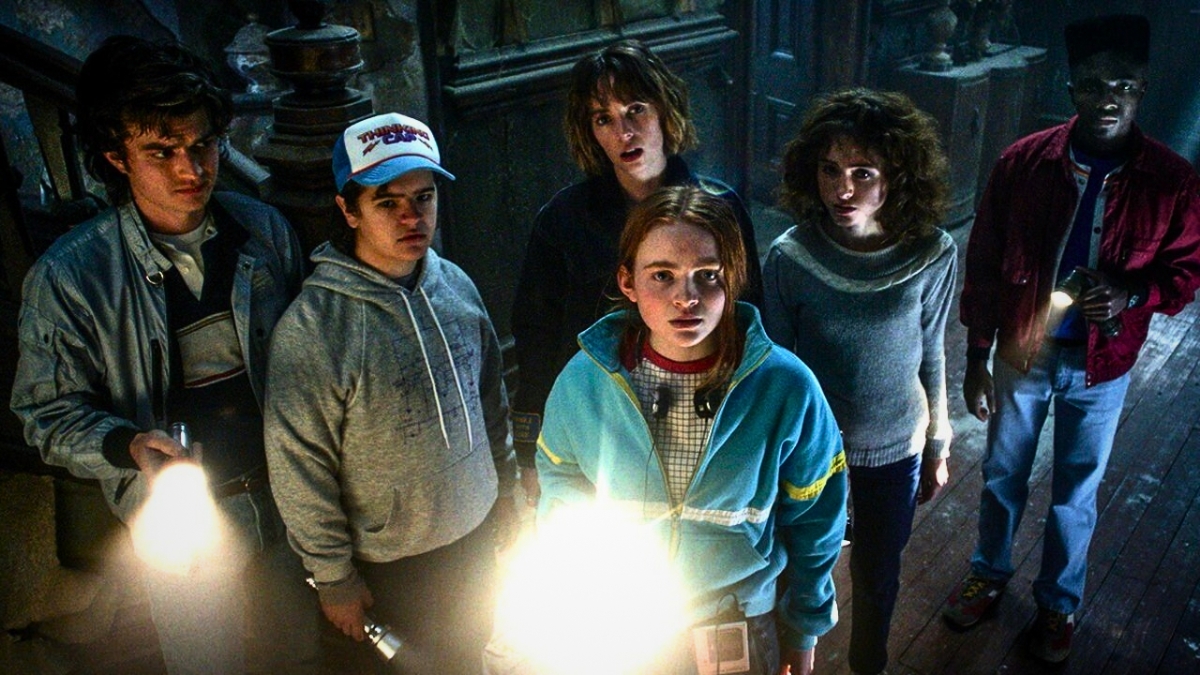
The seeds for this moment were planted years ago.
As blockbuster pipelines thinned and franchise fatigue set in, cinemas quietly shifted focus from volume to experience economics. Recliner seating. Alcohol service. Loyalty programs. Premium formats.
At the same time, streamers hit a wall: ballooning production costs, subscriber churn, and content abundance diluting impact.
A finale like Stranger Things reportedly cost hundreds of millions across its final seasons. When you’ve spent that much to make something culturally dominant, you don’t just let it evaporate into a midnight drop.
You extract value—emotionally and financially.
Streaming Meets Cinema, But On Streaming’s Terms
This wasn’t a theatrical surrender. It was a controlled experiment.
Theaters weren’t given exclusivity. They were given relevance. A window—not a wall. And that distinction matters.
For streaming platforms, theatrical tie-ins offer:
-
Incremental revenue without long runs
-
Marketing amplification
-
Prestige signaling
-
Cultural legitimacy beyond screens
For cinemas, it offers content that already has an audience—no risky discovery phase required.
Symbiosis, not surrender.
The Pros No One Can Ignore
-
Cinemas proved they can monetize streaming IP
-
Streamers unlocked new revenue without subscriber friction
-
Audiences rediscovered communal viewing
-
Premium theatrical experiences justified their pricing
This wasn’t nostalgia. It was a demand.
The Cons That Still Lurk In The Shadows
-
Not every series deserves a theatrical goodbye
-
Overuse could dilute the “event” factor
-
More negligible theaters risk being sidelined
-
Creative decisions could become revenue-led
And let’s be blunt—this model works because Stranger Things is a cultural behemoth. Try this with mediocre content, and you’ll just end up with empty seats and awkward silence.
What This Means For The Future Of Content Releases
The real takeaway isn’t that theaters are “back.”
It’s that hybrid distribution is finally growing up.
Expect more:
-
Season finales as ticketed events
-
Limited theatrical runs for streaming originals
-
Location-based fan screenings
-
Premium pricing tied to cultural moments
What disappears? The binary thinking. Streaming and cinema aren’t enemies. They’re formats competing for attention, not territory.
Latest Industry Chatter And Quiet Signals
Insiders are already whispering about similar rollouts for major franchise finales, anime arcs, and high-profile series conclusions. Exhibitors are recalibrating calendars. Streamers are reevaluating what “direct-to-streaming” really means when content reaches cultural saturation.
The door is open. The question is who walks through without tripping.
Final Thought: The Couch Didn’t Lose—It Just Shared The Room
This wasn’t a defeat for streaming. It was a reminder that culture doesn’t live in isolation.
People still crave collective endings. They still want to laugh, cry, and gasp with strangers who feel strangely familiar in the dark.
Turns out, the future of cinema didn’t need saving.
It just needed something worth standing up for.